
Wood filler and multi-purpose filler solve different problems, even though both come in a similar tub or bag. A multi-purpose filler such as Polycell Polyfilla or Tetrion's all-purpose powder filler is built for plaster, brick and general small repairs, sold ready-mixed or mixed from powder. Wood filler, like Everbuild's one-part and two-part fillers, is formulated to bond with and match timber, so gaps in skirting, doors or flooring hold and look right once painted or stained.
Everbuild's two ranges here suit different repairs. One Part Wood Filler is a ready-to-use, solvent-based filler that goes straight into the gap, sands smooth and is available pre-toned (dark oak, light stain) to sit close to the surrounding wood before finishing. Two Part Wood Filler mixes a resin with a hardener for a stronger, faster-curing repair that's better suited to larger holes, splits or structural gaps, since it builds up in one application rather than needing multiple thin layers. Both need painting or staining to fully blend in, and neither is the right choice on a joint that moves, use a flexible filler or caulk there instead.
Multi-purpose filler is the one to reach for on plaster, brick, block and most interior repairs that aren't in timber, hairline cracks, screw holes, small dents in a wall or ceiling. Polycell Polyfilla is sold both ready-mixed, for convenience on small jobs, and as a powder, which works out cheaper per repair and lets you mix only as much as you need. Tetrion's all-purpose powder filler comes in a 10kg sack, which suits a full room of prep or trade use rather than a single patch. None of these are designed to bond with or match timber, so for woodwork specifically, a dedicated wood filler will give a better result.
Whichever filler you use, the finish depends on prep as much as the product. Rake out any loose or crumbling material first so the filler has something solid to key into, apply slightly proud of the surface to allow for sanding back flush, and let it cure fully before sanding or painting, sanding too early tends to drag rather than smooth. If a repair is deeper than around 5mm, building it up in two thinner applications gives a more even cure and less shrinkage than one thick fill.
Product list
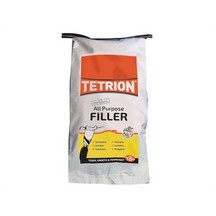
832TETTFP010
Tetrion All Purpose Powder Filler Sack
From £28.42 exc VAT From £34.10 inc VAT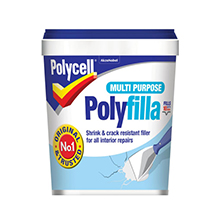
832POLY10
Polycell Multi Purpose Polyfilla - 1kg
£8.51 exc VAT £10.21 inc VAT
660710
One Strike Filler
From £4.06 exc VAT From £4.87 inc VAT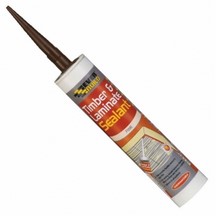
660705
Timber and Laminate Sealant
£4.11 exc VAT £4.93 inc VAT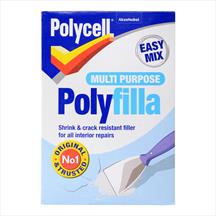
832POLY05
Polycell Multi Purpose Polyfilla Powder - 900g
£5.47 exc VAT £6.56 inc VAT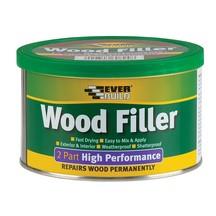
660730
Two Part Wood Filler
From £14.83 exc VAT From £17.80 inc VAT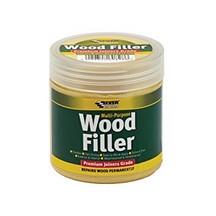
660720
One Part Wood Filler
From £5.94 exc VAT From £7.13 inc VAT
List Options
Filters
You May Also Like
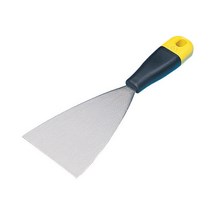
Knives and Scrapers
Filling knives and paint scrapers for stripping old paint and filling cracks before decorating.
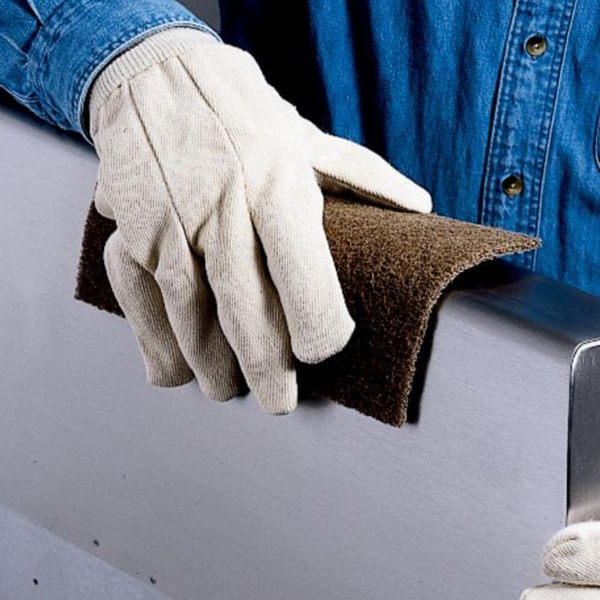
Blocks & Sponges
Hand pads, sponges and sanding blocks for cleaning, blending and finishing metal, paint and wood by hand.

Sanding Paper
Sanding paper sheets, discs and abrasive rolls for hand and machine sanding of metal, wood and paint.

Primers
Primers and undercoats for sealing surfaces and preparing metal, wood and masonry before a topcoat.