This range of decorative paints spans five distinct jobs rather than one: fillers for repairing cracks and holes, general decorative paints and sprays, fluorescent paint, radiator and heat resistant paint, and paint for wood. Picking the right one starts with the surface and the problem you're solving, a crack needs filling before it needs paint, a radiator needs a coating rated for sustained heat, and bare wood needs a primer and undercoat before any topcoat will last.
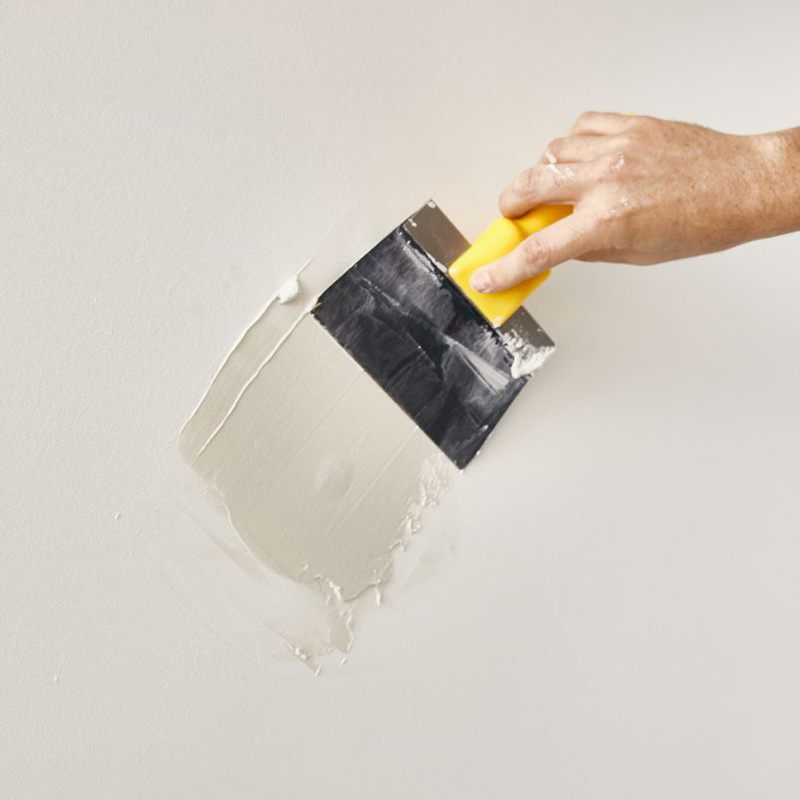
Fillers aren't one product. Interior filler is fine for stable indoor conditions but will crack or wash out if used outside, while exterior filler is formulated to cope with UV, rain and temperature swings without shrinking back. For cracks and joints that move, around skirting boards, architraves, or where two materials meet, a flexible filler or caulk holds up far better than a rigid, fast-setting one, which will simply crack again at the same spot. Ready-mixed filler is the convenient option for small jobs; powder filler mixed to your own consistency works out cheaper for larger repairs.
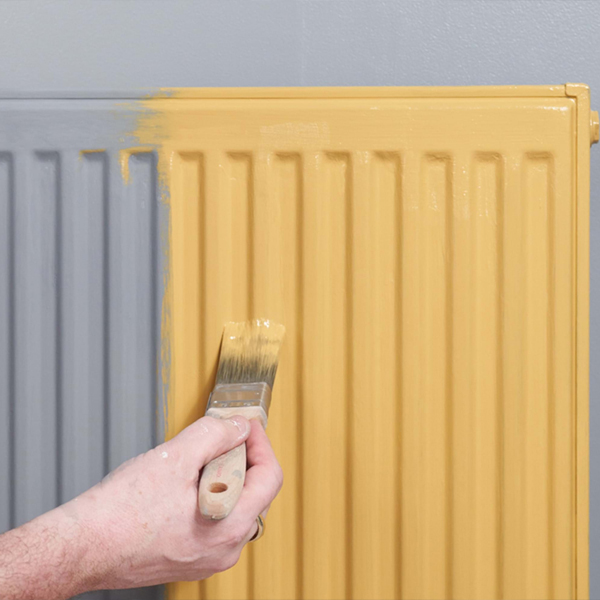
Heat resistant paint is graded by the temperature it needs to survive, and that varies by a huge margin depending on the job. Radiator paint typically only needs to withstand the 70–80°C a domestic radiator reaches, while paint for stoves, flues or barbecues has to cope with several hundred degrees more, using a lower-rated product in the wrong spot will blister and peel within a season. Ordinary decorative paint should never go anywhere near a surface that gets hot, including radiators and pipework near a boiler, as it isn't formulated to cope with repeated heating and cooling.
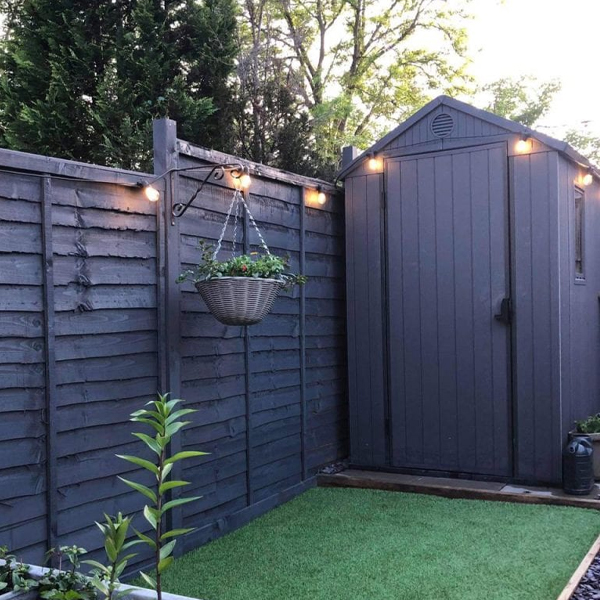
Wood paint needs the right build-up as much as the right finish. Bare or previously stained wood needs a primer and undercoat before a topcoat will adhere properly and give even colour coverage, and skipping that step is the most common reason a wood paint finish fails early. Gloss gives the hardest-wearing, highest-sheen finish but shows up imperfections in the wood underneath; satinwood is more forgiving of an imperfect surface while still standing up to daily knocks on doors, skirting boards and windowsills. Exterior wood paint also needs to flex with the wood as it moves through the seasons, so it's worth choosing a product made for outdoor use rather than an interior one.

Fillers
Multi-purpose and wood fillers for repairing cracks, holes and gaps before painting or decorating.

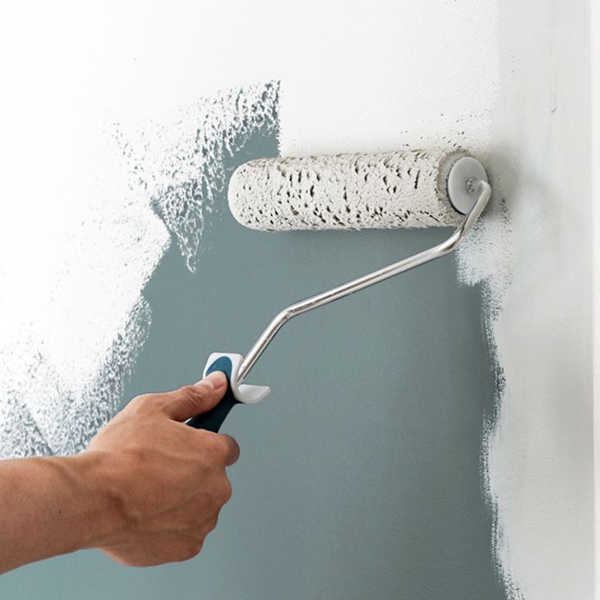
Decorating Paints & Spray Paint
Emulsion, satin and aerosol paints for freshening up walls, ceilings and woodwork indoors and out.

Heat Resistant Paint & Radiator Paint
Heat resistant paints for refreshing radiators, pipes and BBQs without discolouring under high temperatures.

Wood Paint & Treatment
Woodstains, varnishes and exterior paints for protecting and finishing fences, sheds and outdoor timber.
You May Also Like

Primers
Primers and undercoats for sealing surfaces and preparing metal, wood and masonry before a topcoat.

Spray & Paint Equipment
Brushes, spray guns and preparation tools for applying a smooth, professional paint finish.

Sheets and Rolls
Sandpaper sheets and abrasive rolls for hand and machine sanding of metal, wood and paint.

Tapes
Masking, electrical, hazard and mounting tapes for marking, insulating and fixing across trades.